


You can put your leadership team through every workshop, retreat, and training module in the book- and still end up with a group of people who don’t really know each other.
Management courses teach frameworks. They cover communication models, conflict resolution strategies, and delegation best practices. All useful stuff. But none of it tells you how a leader actually behaves when things go sideways in real time. None of it shows you whether someone can adapt, support a colleague, or laugh at themselves when the plan falls apart. A kitchen does all of that in two hours.
Cooking Classes for Leadership Meetings have become one of the most effective tools in the executive development space, and it’s not hard to understand why. The skills that make great leaders, such as clear communication, adaptability, trust, and the ability to work across different strengths, show up naturally when people cook together. No slides needed.
The Kitchen Removes the Armor
In a formal leadership setting, people perform. They present the version of themselves they want their peers and superiors to see. That’s human nature, and there’s nothing wrong with it, but it creates distance. Real collaboration requires something more authentic than a polished presentation.
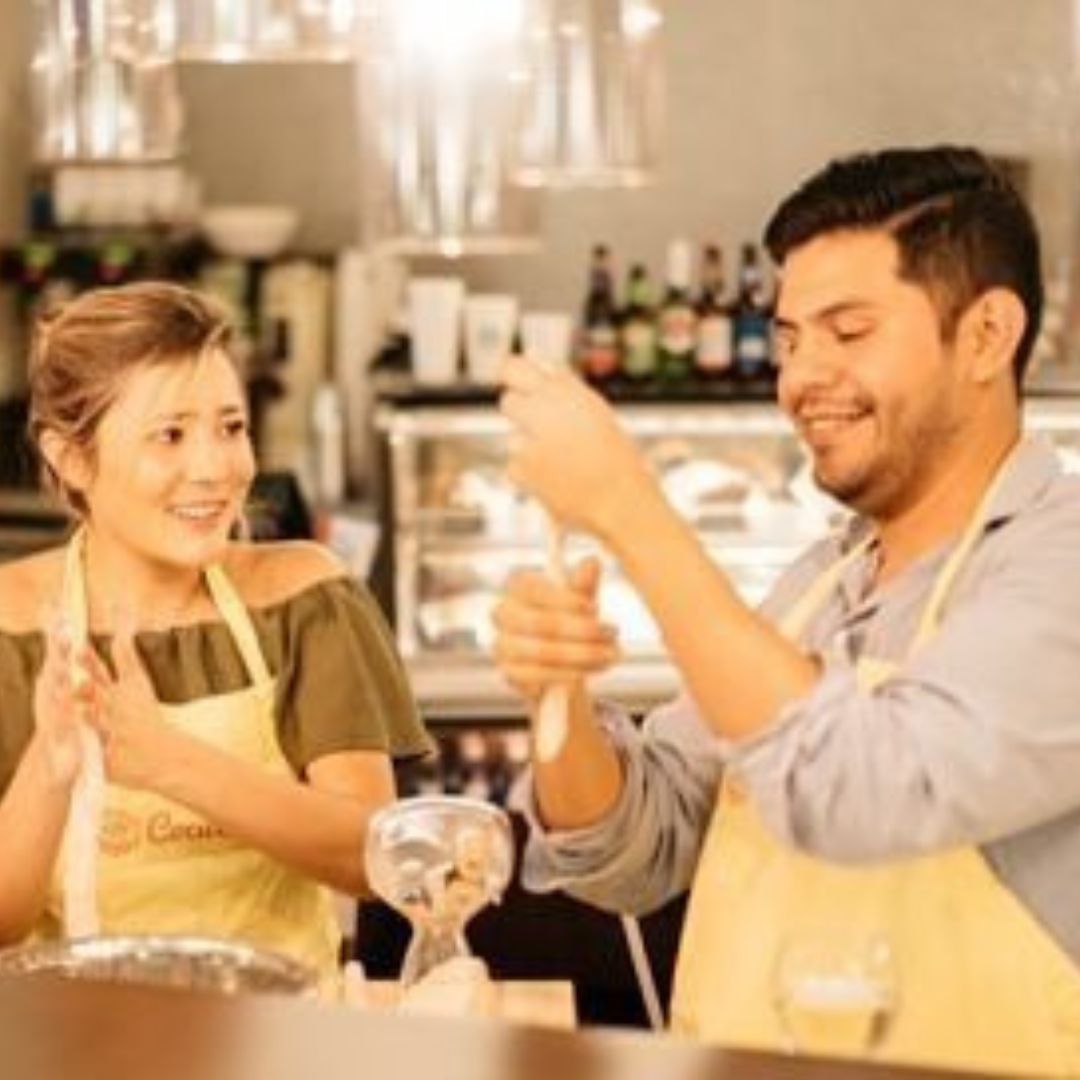
A cooking class strips that away. Nobody looks effortlessly in control while covered in flour and trying to figure out how to keep pasta dough from tearing. The kitchen creates a shared vulnerability that formal environments rarely produce. When leaders drop the performance, even briefly, a real connection follows. That connection is the foundation of everything that happens back in the office.
Delegation Becomes Visible
One of the hardest leadership skills to teach in a classroom is delegation. You can explain it endlessly, but most leaders only see their own tendencies clearly when they’re in action. In a cooking class, those tendencies surface fast.
Some leaders immediately take over every task. Others hang back and wait for direction. Some naturally distribute work based on what they observe about their colleagues. Some communicate instructions clearly; others assume everyone is following along. All of this happens organically, without a facilitator prompting it. Executive development team building in a kitchen gives leaders a mirror they don’t usually get to look into, and what they see often surprises them.
Adaptability Under Real (Low-Stakes) Pressure
Management courses can describe adaptability, but they can’t manufacture the moment when the sauce reduces too fast, the timing is off, and three people are waiting for direction. A kitchen creates those moments constantly, and they’re genuinely instructive.
How a leader responds when a small thing goes wrong in the kitchen often mirrors how they respond when a project hits turbulence at work. Do they stay calm? Do they reassign tasks quickly? Do they keep the energy positive and keep the team moving? These are the behaviors that define leadership culture, and they show up clearly in a low-pressure cooking environment where the only real consequence is a slightly overdone pasta.
Cooking Classes for Leadership Meetings Build Cross-Functional Empathy
Senior leadership teams often include people from very different functional backgrounds – finance, operations, marketing, legal, and so on. Each person has deep expertise in their area and sometimes limited patience for the challenges of other departments. A cooking class puts everyone on equal footing.
Nobody walks in as the most senior person in the kitchen. The CFO might struggle with rolling dough while the operations lead turns out to have natural kitchen instincts. Those role reversals are quietly powerful. When leaders experience being a beginner alongside their peers, they develop a kind of empathy that translates directly into how they collaborate back at work. That’s a result no standard cooking class for leadership meetings can easily replicate.
Shared Success Creates Shared Identity
Leadership teams that eat together, especially a meal they made themselves, form a different kind of bond than teams that simply attend events together. There’s genuine pride in sitting down to food your group produced from scratch. That shared accomplishment becomes a reference point, something the team talks about, laughs about, and builds on over time.
Executive development team building that creates lasting shared memories has real long-term value. The stories people carry out of the kitchen become part of the team’s culture, shaping how they see each other and work together for months afterward.
Give Your Leadership Team the Experience That Changes How They Work Together
If your leadership team is ready for something that goes deeper than another off-site agenda, La Bella Pastarella is the place to bring them. We has hosted senior teams, corporate groups, and executive events. Whether you’re planning a cooking class for a leadership meeting, a quarterly executive retreat activity, or an executive development team-building event that stands apart from everything your team has done before, La Bella Pastarella delivers something genuinely memorable.
Frequently Asked Questions
Q1. Why are cooking classes effective for leadership meetings?
A1. Cooking reveals real leadership behaviors like delegation, communication, and adaptability in ways that classroom training simply cannot replicate.
Q2. What leadership skills does executive development team building in a kitchen address?
A2. It builds trust, communication, adaptability, delegation awareness, and cross-functional empathy through natural, hands-on interaction.
Q3. How long does a cooking class for a leadership meeting typically run?
A3. Most leadership cooking class experiences run two to three hours, including instruction, hands-on cooking, and a shared meal.
Q4. Is prior cooking experience needed for a leadership team-building cooking class?
A4. No experience is required. Professional chefs guide every step, making the class equally engaging for beginners and experienced home cooks.
Q5. How is a cooking class different from other executive development team-building activities?
A5. Unlike passive activities, cooking creates real-time problem-solving, natural role distribution, and genuine shared accomplishment in a relaxed setting.