Italian food is everywhere, but authentic Italian cooking is something far less common than most people realize.
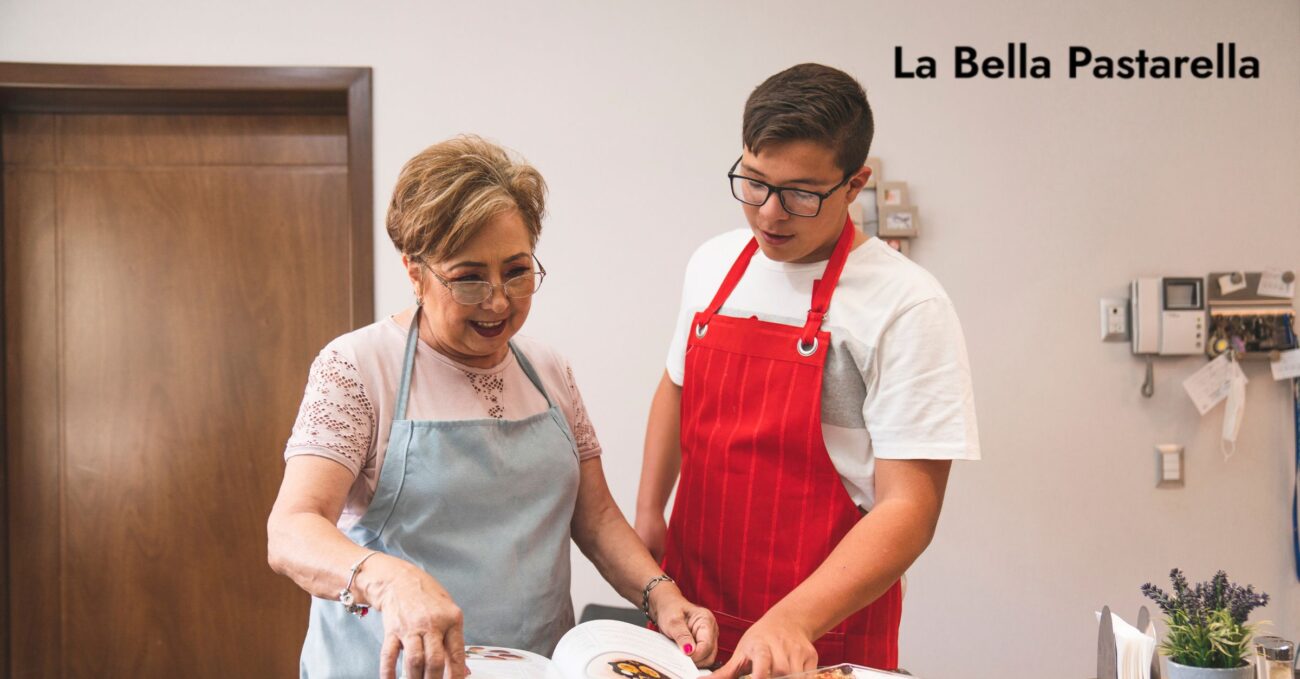
The version served at chain restaurants, poured from jars, or assembled from shortcut recipes shares a name with the real thing but very little else. Genuine Italian cuisine isn’t built on complexity or lengthy ingredient lists. It’s built on technique, restraint, and a deep respect for what each ingredient brings to the dish. That’s why anyone who has taken an Italian cooking class near you with a skilled instructor walks away not just with recipes, but with a completely different understanding of how food works.
Why Technique Matters More Than the Recipe
Most home cooks treat a recipe like a script, following every line word for word without understanding why each step exists. Italian cooking pushes back against that approach. The technique is the recipe. Once you understand how to build a proper soffritto, how to finish pasta correctly in the pan, or how to recognize when a sauce has reduced to the right consistency, you stop needing step-by-step instructions for every dish.
This is the core philosophy behind serious Italian cuisine classes: teach the method, not just the meal. When you learn the technique, you can apply it across dozens of dishes rather than being locked into a single recipe. That’s the kind of cooking knowledge that actually sticks and changes how you approach food for the rest of your life.
The Soffritto – Italy’s Flavor Foundation
Almost every savory Italian dish starts the same way. Onion, celery, and carrot get finely chopped and cooked slowly in olive oil until they soften, sweeten, and begin to meld together. This mixture is called soffritto, and it’s the flavor base that gives Italian sauces, braises, and soups their depth.
The critical technique here is patience. The vegetables should never brown aggressively or caramelize too quickly. They need low heat and enough time to release their natural sugars and moisture slowly. Rushing this step with high heat produces a bitter, sharp base instead of the sweet, rounded foundation that authentic Italian cooking depends on. Every worthwhile Italian culinary experience puts the soffritto early in the curriculum because it teaches students that Italian cooking rewards attention, not speed.
Pasta Cooking: Al Dente Is Not Negotiable
Italians are serious about pasta texture, and once you understand why, you’ll never overcook pasta again. Al dente, meaning “to the tooth” in Italian, describes pasta that is fully cooked but still has a slight firmness at the center. It’s not hard or raw; it’s structurally intact in a way that lets it hold up when combined with sauce.
The real technique isn’t just about timing, though. It’s about finishing the pasta in the sauce. Rather than draining pasta completely and pouring sauce on top, Italian cooks transfer the pasta directly into the pan with the sauce a minute or two before it’s fully done. A splash of starchy pasta water goes in as well. The pasta finishes cooking in the sauce, absorbs its flavors, and the starchy water binds everything into a cohesive, glossy dish rather than noodles sitting in a separate pool of sauce.
Emulsification – The Secret Behind Great Italian Sauces
Cacio e pepe, aglio e olio, carbonara — some of Italy’s most celebrated pasta dishes have very few ingredients, yet they produce incredibly rich, creamy results without a single drop of cream. The technique behind this is emulsification, which is the process of combining fat and water into a smooth, unified sauce.
In carbonara, for example, egg yolks and finely grated cheese combine with hot pasta and a small amount of pasta water to create a silky coating that clings to every strand. The heat must be low enough that the eggs don’t scramble, but high enough to thicken the sauce. Getting this right takes practice and instruction. It’s one of the most satisfying techniques to master and one of the most commonly taught in structured Italian cuisine classes because it reveals just how much technique matters even in seemingly simple dishes.
Braising and Slow Cooking: The Heart of Italian Comfort Food
Italian cuisine has a long tradition of transforming tougher, less expensive cuts of meat into extraordinarily tender, flavorful dishes through slow braising. Osso buco, beef ragu, and porchetta all rely on extended cooking times, aromatic vegetables, wine, and patience.
The technique involves searing the protein first to build a crust and develop color, then deglazing the pan to lift those caramelized bits off the bottom, and finally cooking everything low and slow in liquid until the meat surrenders its toughness and becomes deeply tender. The braising liquid reduces and concentrates into a rich, complex sauce that no shortcut method can replicate. Learning to braise properly is one of the most transferable skills a home cook can develop, applicable across Italian cooking and far beyond it.
FAQ: Italian Cooking Classes and Culinary Techniques
Q1: What techniques are typically covered in an Italian cooking class near me?
A1: Most structured classes cover soffritto preparation, proper pasta cooking and finishing, sauce emulsification, braising fundamentals, and dough handling for fresh pasta or bread. The focus is on methods that apply across many dishes rather than isolated recipes.
Q2: Do Italian cuisine classes require prior cooking experience?
A2: No. Most classes are designed to welcome complete beginners while still offering enough depth to engage more experienced home cooks. The techniques taught are foundational, which makes them relevant regardless of your current skill level.
Q3: What makes an Italian culinary experience different from a standard cooking class?
A3: An Italian culinary experience goes beyond recipe instruction. It connects technique to cultural context, teaching students why certain methods developed in specific regions and how those traditions shape the flavor philosophy of the cuisine as a whole.
Q4: How many classes does it typically take to feel confident with Italian cooking techniques?
A4: Many students report feeling meaningfully more confident after just one or two hands-on sessions. Techniques like pasta finishing and emulsification often produce visible results within a single class, which makes the learning feel immediate and rewarding.
Q5: Is learning to make fresh pasta part of most Italian cuisine classes?
A5: Fresh pasta making is one of the most popular components of Italian cooking instruction. It covers dough consistency, resting time, rolling technique, and shaping, all of which connect directly to broader lessons about texture and ingredient ratios in Italian cooking.
Cook Italian the Right Way – Your Table Deserves the Real Thing
Recipes are everywhere. Technique is rarer and far more valuable. When you learn the methods that actually drive authentic Italian cooking, you stop following instructions and start making real, creative decisions in the kitchen. That shift changes not just what you cook, but how you think about food entirely.
La Bella Pastarella brings that kind of instruction to life in Alexandria, Virginia. Whether you’re looking for an Italian cooking class near you for yourself, a group, or a memorable gift, La Bella Pastarella offers an experience that’s equal parts educational and genuinely fun. Explore the class schedule and reserve your spot. Real Italian cooking is closer than you think.