


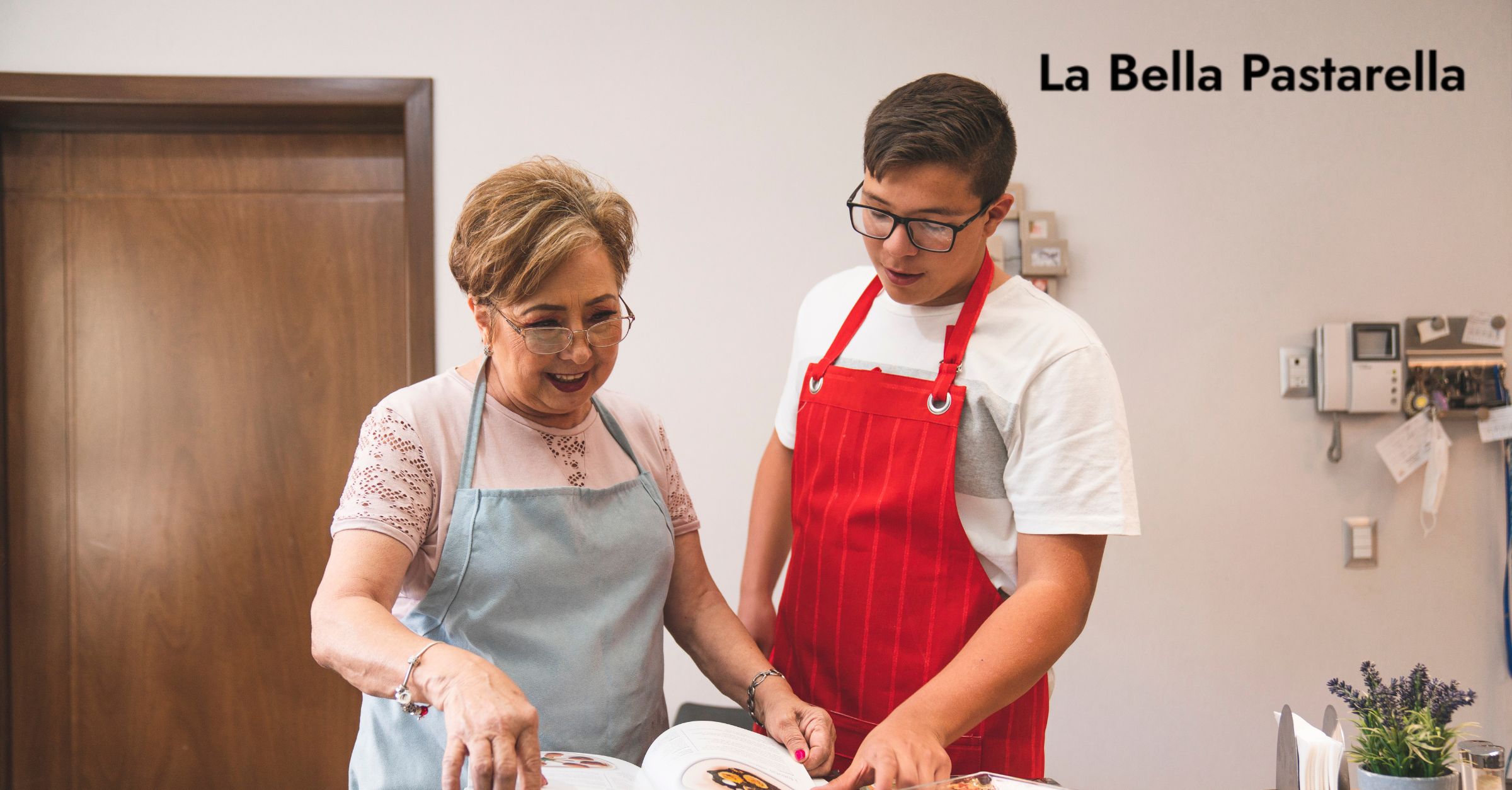
You can own every Italian cookbook ever printed and still not know how to make pasta that actually tastes like Italy. Cookbooks are useful. They list ingredients, give measurements, and walk you through steps. But they can’t show you what properly kneaded dough feels like under your hands. They can’t tell you when the texture is right just by touch. They can’t demonstrate the difference between pasta rolled slightly too thick and pasta rolled just right. That gap between reading and doing is exactly where most home cooks get stuck.
An Italian Culinary Experience closes that gap in a way no book ever could. When you’re standing at a pasta board with flour on your hands and a chef guiding you in real time, the learning is immediate, physical, and lasting. Here are five things you’ll take away from a hands-on class that no cookbook page has ever successfully conveyed.
1. How Dough Is Supposed to Feel
Every pasta recipe describes the dough in words: smooth, elastic, slightly tacky. Those descriptions mean nothing until you’ve actually felt the difference between under-kneaded dough and properly worked dough. One tear. One stretches. One fights you. One cooperates.
In a real Italian culinary experience, a chef watches your hands, tells you when to keep going and when to stop, and adjusts your technique in the moment. That kind of feedback is instant and precise. Reading “knead for 8 to 10 minutes” gives you a timer; a hands-on class gives you understanding.
2. How to Read the Ingredients, Not Just Measure Them
Italian cooking is built on restraint and quality. A great sauce doesn’t need twelve ingredients; it needs the right three, handled correctly. Cookbooks list quantities, but they rarely teach you how to look at a tomato and know whether it will make a good sauce, or how to smell olive oil and recognize quality.
A skilled instructor teaches you to use your senses as the primary tool. You learn to taste as you go, adjust seasoning by instinct, and trust what your nose and eyes tell you. That’s a skill that transforms every meal you make afterward, Italian or otherwise.
3. The Real Difference Between Pasta Shapes and Why It Matters
Most people treat pasta shapes as interchangeable. If the recipe calls for pappardelle and you only have fettuccine, you use fettuccine and figure it’s close enough. But shapes exist for specific reasons. They’re designed to hold certain sauces in certain ways, and a thin, delicate pasta paired with a heavy ragù genuinely tastes different than the same sauce on a pasta built to carry it.
In a hands-on class, you make the shapes yourself and learn the logic behind them. Once you understand why the shape matters, you never again reach for the wrong pasta by accident.
4. How to Build Flavor in Layers
Cookbooks give you a sequence: add this, then add that, then stir and simmer. What they rarely explain is why the sequence matters or how to recognize when each stage is complete before moving to the next. Flavor in Italian cooking develops in stages, and rushing any one of them produces a flat result.
A live instructor shows you exactly what the pan should look, smell, and sound like at each stage. You learn to cook by observation and response rather than by following a script. That kind of instinctive cooking is what separates someone who follows recipes from someone who actually cooks.
5. How to Slow Down and Enjoy the Process
Italian food culture is not in a hurry. The preparation is part of the experience, not just a means to get to the meal. A Private Event Cooking Class teaches you to find genuine pleasure in the process of making food, not just eating it.
That shift in mindset changes how cooking feels at home. When making pasta stops being a task and starts being something you enjoy, you do it more often, more confidently, and with better results. No cookbook motivates that change. The experience of doing it in a joyful, social setting does.
Taste the Difference a Real Culinary Experience Makes
If you’re ready to move beyond recipes and actually learn to cook, La Bella Pastarella is where that happens. Chef Leo and Monica bring authentic Italian family tradition into every class they teach, guiding students through real hands-on pasta making with the kind of personal attention and warmth that turns a cooking session into a genuine Italian culinary experience. In short, every guest leaves with new skills, real confidence, and a meal they made themselves.
Frequently Asked Questions
Q1. What will I actually learn in an Italian culinary experience?
A1. You’ll learn hands-on pasta-making techniques, flavor building, ingredient selection, and the confidence to cook Italian food at home.
Q2. Is a private event cooking class suitable for people with no cooking background?
A2. Absolutely. Classes are designed for all skill levels; instructors guide beginners through every step clearly and patiently.
Q3. How is a live Italian culinary experience better than following a YouTube tutorial?
A3. A live instructor corrects your technique in real time, answers questions instantly, and gives personalized feedback that no video can replicate.
Q4. Can I apply what I learn in a private cooking class to everyday meals at home?
A4. Yes. The techniques, instincts, and confidence you build carry directly into your home kitchen and improve how you cook every day.
Q5. What makes an Italian culinary experience worth choosing over other cooking classes?
A5. Italian cooking’s emphasis on simplicity, quality ingredients, and technique makes it one of the most practical and transferable culinary traditions to learn.
https://shorturl.fm/6cQky